Building Trust One Brick at a Time: Lego Serious Play for Teams, Lean, Green and Digital
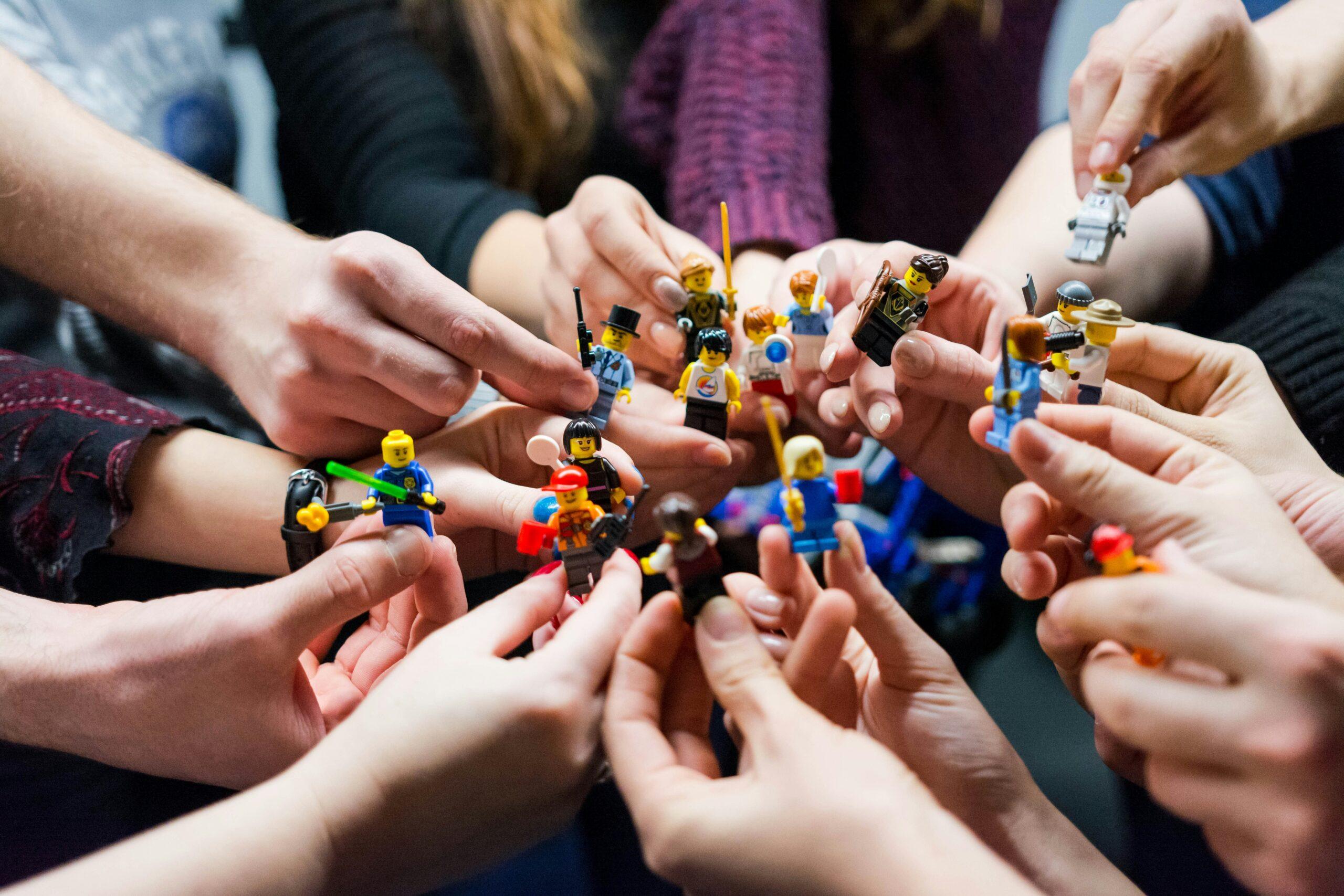
In an earlier post we looked at how Lego Serious Play (LSP) gets every voice into the room. But LSP does something deeper than improve participation: it builds trust — the quiet foundation that every high-performing team rests on and that no leader can simply mandate. Here’s how it works, and why it’s useful well beyond the team away-day.
How play builds trust
• Shared vulnerability, safely. Everyone builds something slightly imperfect and shares the story behind it. When the whole team is gently out of its comfort zone together, defences drop and people meet each other as humans, not job titles.
• Listening becomes the norm. The method’s structure means people genuinely hear each other’s models and reasoning — often for the first time. Feeling heard is the bedrock of trust.
• Hierarchy softens. When the boss’s model gets the same curiosity as the newest hire’s, people learn it’s safe to contribute — the essence of psychological safety.
• Hard things get said sideways. It’s easier to build “what’s getting in our way” than to accuse a colleague. Metaphor lets teams name tensions without blame, and resolve them with respect.
This is why it powers change initiatives
Trust isn’t a nice-to-have for improvement work, it’s the precondition. Lean, Green and Digital programmes don’t fail for technical reasons; they fail for human ones: people who don’t speak up, don’t buy in, or don’t believe the change will stick. LSP front-loads the trust and engagement those efforts need.
- In Lean: use LSP to map how work really flows, surface the wastes and frustrations people normally stay quiet about, and co-design improvements the team actually owns. Improvement built by the team sticks; improvement done to the team doesn’t.
- In Green / sustainability: build a shared picture of what sustainability means for your business, and let the whole team generate ideas. People commit to a green strategy they helped shape (more on that in our Green + People post).
- In Digital: model the current ways of working and the future you want, so a digital change is grounded in how people actually work — not imposed by whoever bought the software. Adoption is the metric that matters, and adoption is built on buy-in.
Trust first, then everything else
It’s tempting to dismiss building models as too playful for serious business. But the seriousness is the point: the play lowers the defences so the real conversation can finally happen. Teams that trust each other surface problems early, challenge each other honestly, and pull together through change. That’s not a soft outcome — it’s the hardest competitive advantage there is.
Next step: Whether you’re aligning a team, kicking off a Lean programme, or steering a digital or sustainability change, Jigsaw’s Lego Serious Play facilitation builds the trust and buy-in to make it land. Get in touch to explore a session for your team.